
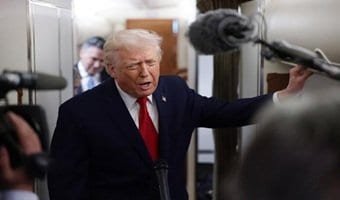
 Former President Donald Trump has recently sparked major discussion with a proposal to eliminate the federal tax on gambling payouts.
The idea quickly drew attention from gamblers, casino operators, and tax policy analysts across the country.
While the plan is still only a proposal, many people are already wondering how such a change could affect the gambling industry, the economy, and individual taxpayers.
Under current U.S. tax law, gambling winnings are considered taxable income.
This includes casino wins, sports betting payouts, lottery jackpots, online gambling earnings, and even small prizes from raffles or contests.
Casinos and betting platforms are required to issue tax forms for certain winnings, and players must report all gambling income to the IRS, regardless of the amount.
Because of these rules, many bettors often find themselves owing unexpected taxes at the end of the year, especially after large jackpot wins.
Trump’s proposal aims to remove the federal tax requirement on these gambling payouts. Supporters of the idea argue that such a change could boost the gambling and entertainment industries.
They believe gamblers would feel more confident placing bets if they knew their winnings would not be reduced by federal taxes.
Casinos and online sportsbooks might also see increased activity, which could potentially stimulate tourism and business growth in major gambling hubs such as Las Vegas and Atlantic City.
Another argument in favor of the proposal is that gamblers already take financial risks every time they place a bet.
Supporters say allowing winners to keep the full amount would be a fair incentive.
They also note that many states already collect their own taxes from casino revenues and lottery sales, which means the government would still receive money from gambling-related activities even without the federal tax.
However, critics of the proposal have raised several concerns.
One major point of debate is the potential loss of federal revenue. Taxes collected from gambling winnings contribute millions of dollars each year to federal funds.
Removing this tax could widen the federal deficit unless new revenue sources are identified.
Opponents also argue that eliminating the tax may encourage excessive gambling, especially among people who may not be able to afford large financial risks.
Tax experts have also pointed out that removing federal taxes on gambling payouts could create complications for reporting income.
If gambling winnings are no longer taxed, the IRS would need to adjust multiple forms and rules. This could lead to confusion for both taxpayers and casinos, at least during the transition period.
Overall, Trump’s proposal has opened a nationwide discussion about the fairness of gambling taxes and the future of federal tax policy.
While some see the idea as a positive change that would benefit players and the gambling industry, others warn that the long-term economic impact needs careful consideration.
now, the proposal remains only a possibility, but it has already become a major topic in both political and gambling circles.
If implemented, the elimination of federal taxes on gambling winnings would represent one of the most significant changes to gambling policy in decades.
Whether the idea moves forward will depend on political debate, public opinion, and economic analysis in the months ahead.